





The Colorado Department of Public Health and Environment has appointed Circular Action Alliance as the Producer Responsibility Organization in charge of implementing Colorado’s new statewide recycling program created under the Producer Responsibility Program for Statewide Recycling Act.
Circular Action Alliance will develop a convenient, cost-effective program that provides free and equitable recycling of packaging and paper for all Coloradans. By January 30, 2024, they will complete a statewide needs assessment to evaluate the recycling infrastructure throughout all geographic areas of the state. Following that, they will develop a program plan to detail how it will implement the recycling program to best serve Coloradans and establish targets for minimum recycling rates in Colorado by 2030 and 2035.
Circular Action Alliance is a U.S. non-profit organization formed in response to the passage of Colorado’s Producer Responsibility Program for Statewide Recycling Act and similar laws in other states. Circular Action Alliance developed a working group of producers since the passage of these laws and are committed to the successful implementation of the program to provide all Coloradans with better access to recycling while advancing a more circular economy for packaging and paper.
“I am thrilled we are moving forward with implementing this landmark legislation,” said CDPHE executive director Jill Hunsaker Ryan. “Over the last several years, Colorado has made tremendous progress to help move us towards a more sustainable future. Producer responsibility is a solution that helps to solve some of the major gaps concerning supply chain, recycling end markets, and accessibility of recycling.”
The department evaluated and ranked the applications received for the producer responsibility organization. Scoring was based on criteria required within the Producer Responsibility Program for Statewide Recycling Act, including a diverse list of participating producers representing a variety of material types, the funding mechanism for the needs assessment, and governing board composition, as well as other applicable criteria.
Find more information about the program and upcoming activities on the Producer Responsibility Program webpage (https://cdphe.colorado.gov/hm/epr-program).
We are committed to achieving a 45 percent waste diversion rate by 2036 and are working in a variety of ways to move the needle:
- We have awarded over $25 million to fund statewide waste diversion projects and provide rebates for community recycling centers through our Recycling Resources Economic Opportunity Grant Program. As the majority of the state’s waste is generated on the Front Range, we also have a dedicated grant program specifically targeting this area through the Front Range Waste Diversion Grant Program.
- We released the Statewide Organics Management Plan in partnership with the Colorado Department of Agriculture to analyze and provide recommendations for increasing diversion of this waste stream.
- Colorado is now poised to address the need for local recycling markets and attract end-market users and entrepreneurs to the state after the passage of the Waste Diversion and Circular Economy Development Center.
- The Colorado Paint Stewardship Program “Paint Care” supports the free recycling of unused paint. Since 2015, PaintCare has collected over 5.1 million gallons of unused paint and has established 185 free drop-off sites in Colorado.
- We run a statewide information campaign, Erase the Waste, letting Coloradans know how they can help the environment through recycling.









Cinco de Mayo, an American Holiday
I love London with its palaces, buses, monuments, the Tower of London, Parliament building, the River Thames and the Needle among others. What I have found lacking in my experience is tasty food.
It is ironic that we spent so much time admiring the great city and yet ate Italian food because it is closer to what we are used to. During our visits I sometimes wondered “where is a Mexican restaurant when you need it.” That is no problem in our country. The Mexican restaurant industry is doing very well serving all kinds of people and striving for authenticity in Mexican, New Mexican, Tex-Mex dishes and extending its taste reach into other Latin American cooking.
Of the many Mexican artifacts adopted by the United States, the Cinco de Mayo festival is among the latest. What started out as a commemoration of a battle that offered deep meaning to the Chicano Movement in term of a lesson on resistance to the oppressor, has become a Spring holiday somewhat like the Irish originated celebration that is Saint Patrick’sDay.
Cinco de Mayo is actually a date, May 5, 1862, that honors a victory by a small Mexican force under the command of General Ignacio Zaragoza over the invading French bent on acquiring Mexico to feed their imperial appetite. The victory lifted the morale of the Mexican people and their President Benito Juarez who was facing the beginning of a 6-year war to defend the country from European invaders.
The struggle to get rid of the French and Emperor Maximilian paralleled the American Civil War (1861-1865) and extended that period by 2 year (1861-1867). After many battles that saw Juarez retreat all the way to El Paso del Norte on the border with El Paso, Texas and now named Ciudad Juarez, the President led a comeback that recovered much of the territory and caused the French withdrawal and Maximilian’s execution.
Interest in the years of turmoil in Mexico and the United States is also part of the heritage left by the Chicano Movement. This is because both Presidents Lincoln and Juarez exhibited a sense of justice and a desire to bring unity to their countries under an umbrella of democracy and human rights.
But it was the Cinco de Mayo battle on the plain outside of Puebla that captured the imagination of those that were inspired by the heroic stand. The inspiration created Cinco de Mayo in the United States.
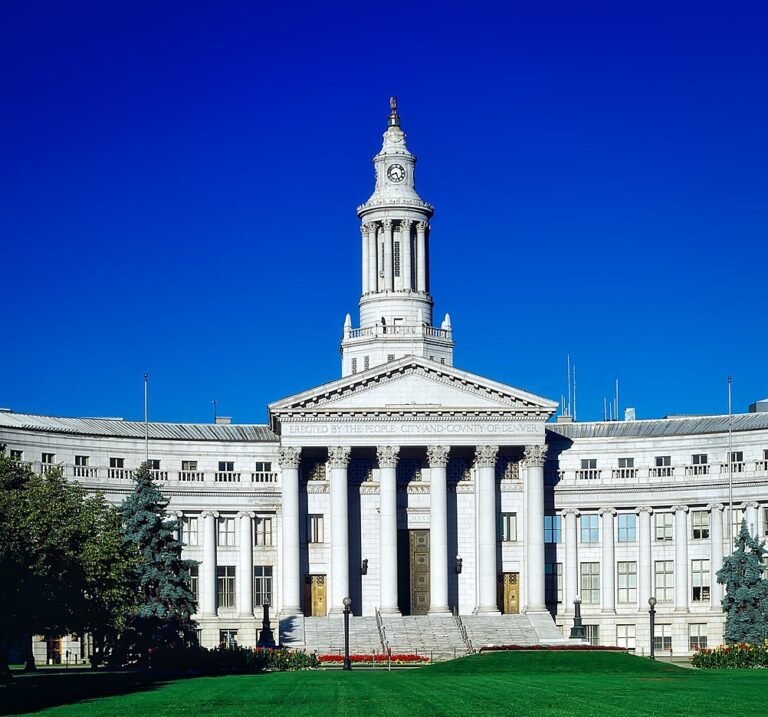
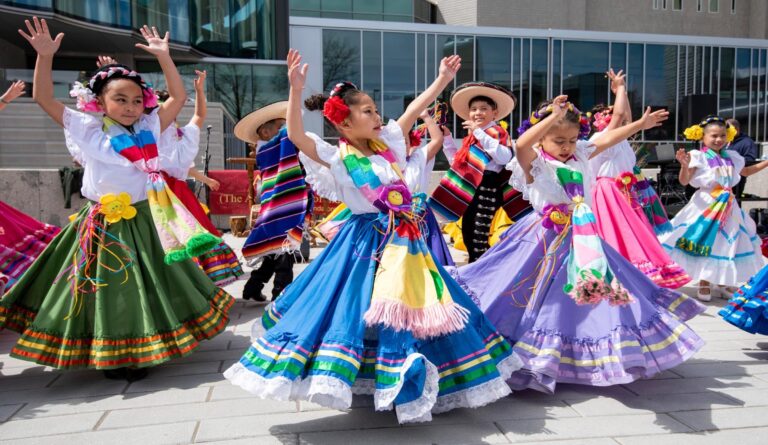
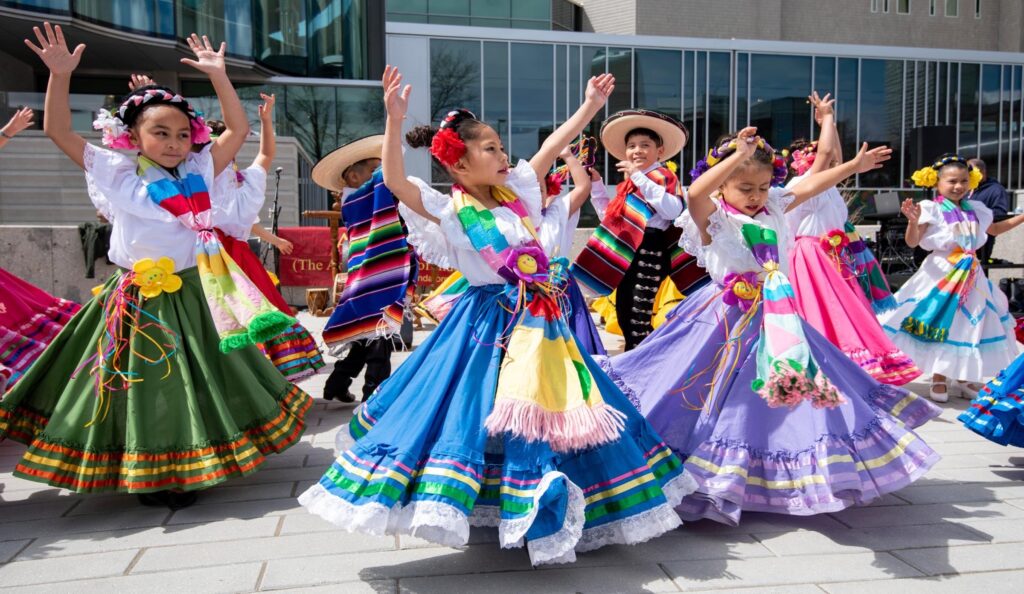
Over the years since its founding in 1972, the Cinco de Mayo festival has moved from the barrio to downtown in several cities. In Denver, Cinco de Mayo moved from the Santa Fe Cultural District to the Denver Civic Center and there is where it is going to be held the coming weekend.
We can add to the Americanization of Cinco de Mayo the fact that Ignacio Zaragoza was born in Goliad, Texas near Corpus Christi. Also, his mother was closely related to Juan Seguin, the Latino hero of Texas independence.
America is a politically divided nation reflective of a condition that is very much like the regional oppression that caused the Civil War. Lincoln like Juarez proved to be the instrument of justice and unity in the middle of chaos.
Cinco de Mayo represents in part a defense against oppression from abroad. The danger of oppression from within in America is a more serious threat because it puts our democracy in a difficult place.
Enjoy the festival as part of our heritage. And be safe.
The views expressed by David Conde are not necessarily the views of La Voz Bilingüe. Comments and responses may be directed to News@lavozcolorado.com.