





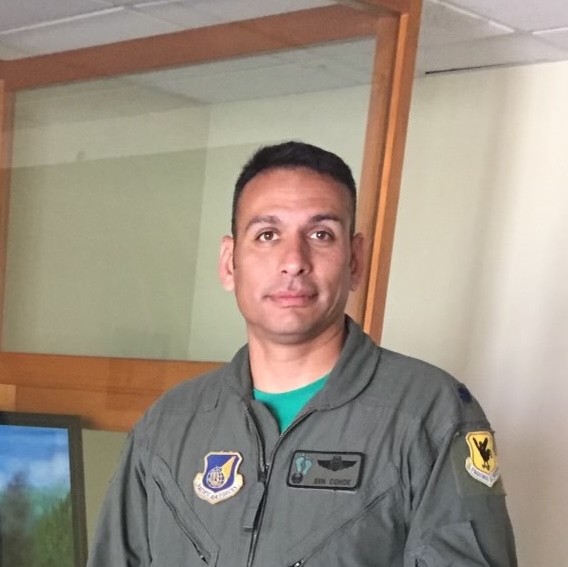
In early April, like many other Americans, I watched, listened and read about the miracle Air Force Rescue forces performed, fighting their way through enemy fire to rescue an F-15E Strike Eagle pilot that was shot down over Iran, ensuring that pilot’s return to their family. While I am extremely proud of the people and teams that planned and executed this legendary feat, I also recognize that the grit, skill and courage they exhibited during this mission were borne of a tradition of service to others and sacrifice that they, their families, their predecessors, and their predecessors’ families built over the course of several decades. “These things we do that others may live” is not just Air Force Rescue’s motto, it is a testament to a life well spent in the service of others; a promise made by a small group of people that they will be there on the worst day of your life and will bring you home.
The day after I left Afghanistan for the last time in June 2010, my friend called me while I was in Kyrgyzstan awaiting transport back to the United States. Pedro 66, an Air Force Rescue helicopter, had just been shot down during a mission to evacuate battlefield casualties in southwestern Afghanistan, instantly killing four Airmen. A fifth Airman eventually died of his wounds later that summer. My friend told me that he’d already talked to my wife and told her that I was okay. After I called my wife to reassure her that I was alive, I gathered my teammates and told them that our friends were dead. We’d spent almost every day with these brothers for months while we worked together to save life after life under some of the most challenging conditions I have ever experienced. Then they were gone.
Other stories of sacrifice serve as reminders that being good enough to perform miracles in places like Iran requires accepting a life full of danger, where every loved one’s hug, kiss, or goodbye could be their last. Of all these stories of sacrifice, August 5, 2013, still stands out in my memory. I had just joined the 33rd Rescue Squadron in Okinawa, Japan a couple of weeks prior when I was informed that casualties were in route to a nearby hospital. From that moment, it took several minutes for me to digest the fact that one of our helicopters had crashed in the mountains of Okinawa while on a training mission in preparation for the squadron’s deployment to Afghanistan, killing one of our brothers. The aftermath of this date is still a blur to me today, but I do remember vividly the anguish and pain the tight-knit Rescue family had to overcome to convince itself that we had to continue to live up to the tradition of selflessness that we helped to create.
Even so, I still see how that day and its aftermath haunt my friends and my wife.
We set aside the last Monday in May to honor and mourn the members of the military that died while serving the rest of us. For me, the sacrifices made in Afghanistan and Okinawa reverberate throughout the small Air Force Rescue community scattered around the world, with ripples that I still experience today, especially when I talk to my Rescue family. With that, I am reminded of two things: we shouldn’t wait for Memorial Day to express how grateful we are for those that have died for us; and we should strive to be people that are worth their and their families’ sacrifice.
The views expressed by Ben Conde are not necessarily the views of LaVozColorado. Comments and responses may be directed to News@lavozcolorado.com.



