






Home Blog Page 96

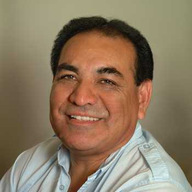
Val and Vangie Sena longtime educators still guiding students

The very idea of going to college never crossed Evangeline ‘Vangie’ Sena’s mind as she was growing up in the San Luis Valley. Of course, when she was a young girl, a young Latina, going to college was something others did. “I wanted to go,” she said, “but I didn’t think I could.”

But all that changed when her brother, fresh out of the military at the end of World War II, came home and announced he was college bound—on the G.I. Bill. She didn’t know it at the time, but his announcement changed the course of her life.

After graduating from high school in Blanca, Colorado, in 1953 and where, incidentally, she was the class valedictorian, she enrolled at Adams State University, then Adams State College.

“I wanted to become a nurse,” she said, “but we didn’t have the money.” So, instead, she took the teaching route. “That’s about all you could be if you went to Adams.”

In a recent Sunday afternoon chat, her husband, Val, told a similar story. Born in Fort Garland, he moved with his family as his father pursued various jobs, including carpenter, shepherd and coal miner. His family even moved to Los Angeles where his father found work building sets for MGM. But after nine years in California, they moved back to the Valley. “I went from a junior high that had 1,200 students” in Los Angeles, to Fort Garland. It was culture shock.

Outside of school, he said, his father “kept me busy shoveling and hauling coal” to various customers around town. Seeing no future in that, he joined the Air Force where “I learned a lot about electronics and mechanics.” It also got him out of Fort Garland. He wanted more and through the military, he got it.

His Air Force job convinced him that becoming an electrical engineer was a real possibility. Also, it might keep him close to airplanes, something he enjoyed in the service. It was also a job that would allow him to use his brains rather than his brawn. That, too, had a certain appeal.

In 1957 he also enrolled at Adams State where, taking advantage of credits earned in the military, he graduated in three years. In 1959 the Senas married.

Her first teaching job took her to Pueblo where she taught for three years. “I loved the kids,” she said. “They were poor, like I had been, and they struggled with reading,” she recalled. But other teachers lent a hand, helping out “a beginning teacher.”

The couple, now parents, moved to Denver in the early 1960’s. Mr. Sena “found a job at Lowry (Air Force Base)” working as an instructor teaching young airmen about missiles. The job ended, he said, when “President Kennedy canceled the program and there was a reduction in force,” layoffs.

But in no time, he found work at Cole Junior High as a math teacher. The school was populated with African American and Latino students. It was also at Cole where he started something novel for the times, the Latin American Student Club. The next year, at the behest of the late Bernie Valdez, he moved on to Horace Mann Junior High where Valdez again asked him to be the coordinator of all Latin American Student Clubs in DPS.

As he was moving through the DPS system as a teacher and climbing the ladder to his first assistant principal job at Kepner Junior High, his wife was taking time away from teaching to be a homemaker. Their family had now grown to six, four being children. But in 1970, she went back to work.

“At Del Pueblo I was the librarian,” a job she held for nine years. And while she enjoyed it, she had her sights set on bigger things. She became a principal then the long-ago rookie teacher who ‘wet her feet’ in Pueblo, set her sights on a Ph.D. and enrolled at CU-Boulder. Interesting, at CU she would lunch each day with her daughter, a CU student.

By this time, Val, was establishing himself as a school principal, too. He went from Dean of Boys at West to the school’s top job.
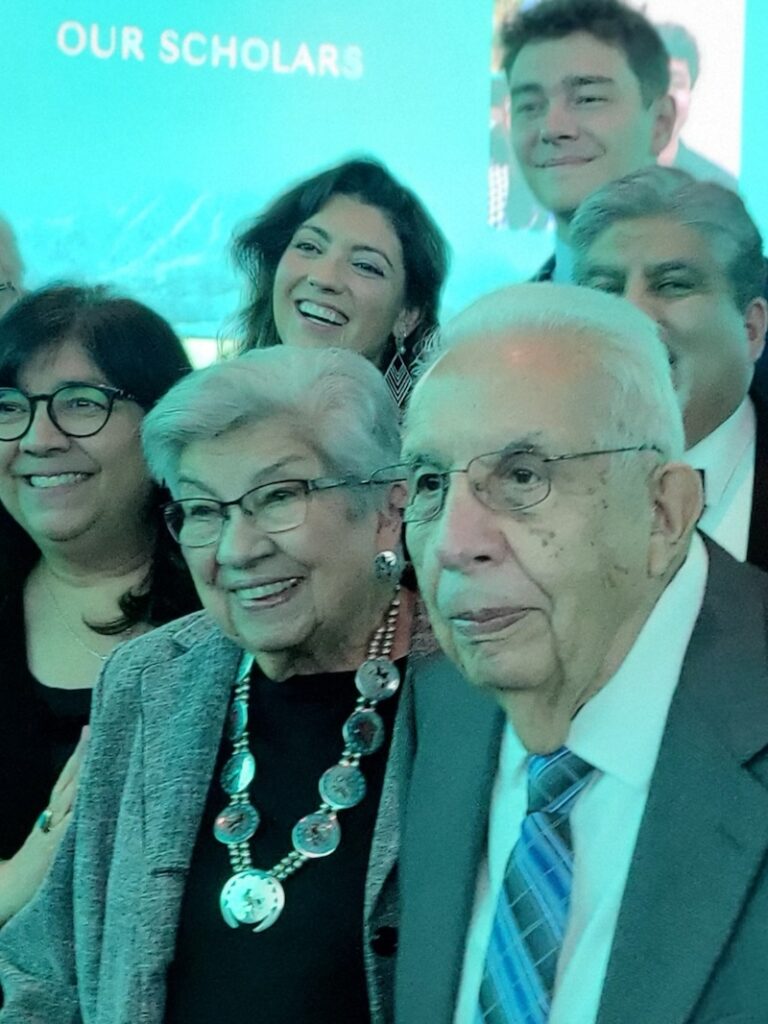
La Voz Staff Photos

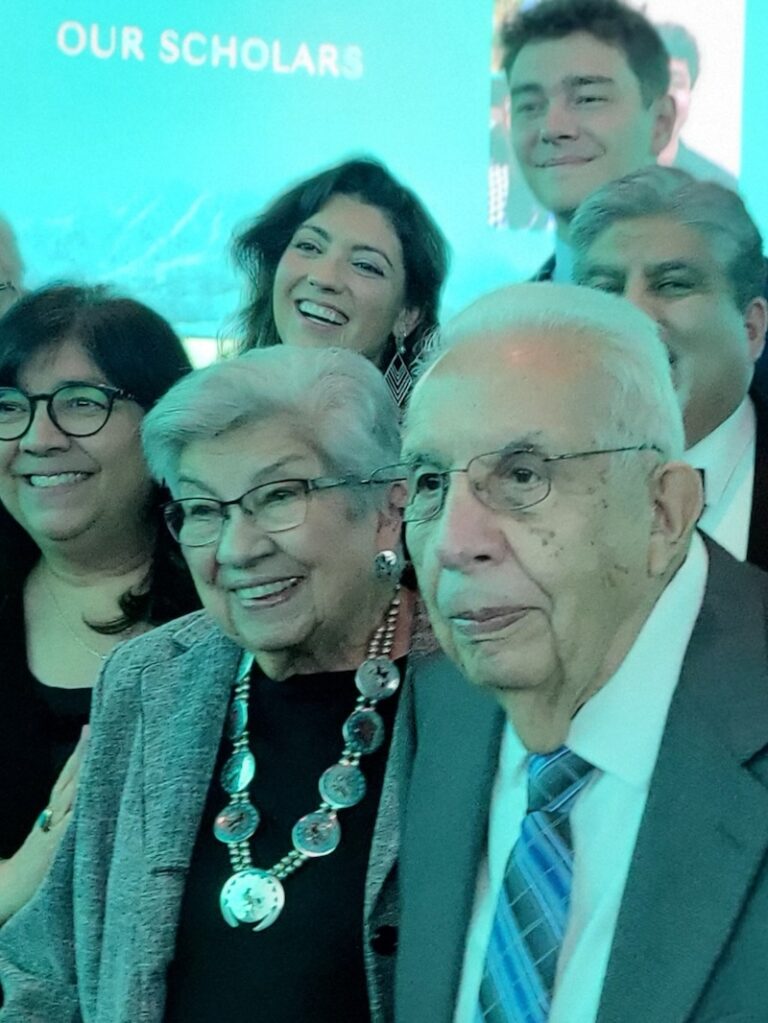
Over their careers, both put a high value on education and that led them to LAEF, the Latin American Educational Foundation. Since it was formed in 1949, LAEF has gifted more than 7,000 Latino students with more than $7 million in scholarships. The Senas have gifted one of their own.

At the recent 75th anniversary of LAEF, the Senas were recognized for their contributions to education and as scholarship donors. Their scholarship was awarded to University of Northern Colorado soon-to-be rising senior, Alex Archuleta. Archuleta plans to pursue a career in preschool education or become a kindergarten teacher.

“They feel like family,” Archuleta said after meeting the Senas. She met them to thank them for their help. “It was a difficult time for me,” she remembered. “My own grandmother was in the hospital,” said the UNC junior. But the Senas, “were very welcoming, very gente.”

The Senas thought similarly of Archuleta. “She’s just very nice,” they said. “We think the world or her, too.”

With each closing in on 90, the Senas say education has been a wonderful part of their lives. It allowed them to uplift so many young people who might otherwise have been lost in a system not entirely friendly or understanding.

With her hard-earned Ph.D., Mr. Sena joked that his wife outranks him since he “only became a principal,” before quickly adding, she always has outranked him. But as the conversation continued, it also became clear, they’ve succeeded because they’ve always been equals as parents and partners.

The Senas also had an unquantifiable impact on literally thousands of lives, many of whose names have become blurred simply because of time and volume. But while they may not remember the many students who’ve passed through their lives, they are not forgotten by those whose lives they touched.
Nearly one year after reopening, Casa Bonita continues to thrive

0

It’s been nearly a year since the doors of Colorado’s beloved Casa Bonita restaurant/experience reopened.

Dubbed “the Disneyland of Mexican restaurants,” Casa Bonita has been a staple on West Colfax, offering food, which had historically been ‘TV-dinner type’, various entertainment options, including cliff divers and a cave to walk in, and much more.

The restaurant was purchased by Trey Parker and Matt Stone in the summer of 2021 after being forced to close because of the COVID-19 pandemic. Parker and Stone are the creators of the adult cartoon “South Park” and purchased the restaurant for $40 million.

The two renovated the building, mainly focusing on structural or sanitation fixes, and brought on a new menu created by James Beard nominated chef Dana Rodriguez. Renovations also included new bars, an expanded waiting area, and other fixes.

While the restaurant was historically known for its less than mediocre food, Rodriguez has brought the establishment’s menu to life, offering dishes like enchiladas, carnitas tacos, chicken mole, beef suadero, chile rellenos, ceviche, and taco salad. The children’s menu includes dishes like a rice, bean and cheese burrito, chicken tenders, cheeseburgers, and beef albondigas “meatballs” with tomato sauce. And of course, Casa Bonita made sure to keep its famous sopaipi- llas on the menu. All meals include chips and salsa, rice and beans, cabbage salad, a soda, and the sopaipillas.

It costs $39.99 for adults and $24.99 for children ages 3-12 for meals, while children under three years old can eat for free. The restaurant is only allowing groups of eight people in at one time. Casa Bonita is inviting residents to make reservations exclusively by signing up for its email list at https://www.casabonitadenver.com/tickets and does not accept walk-ins.

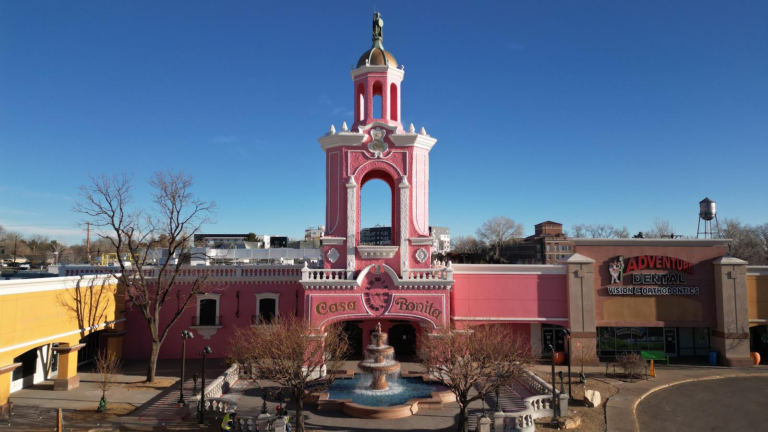
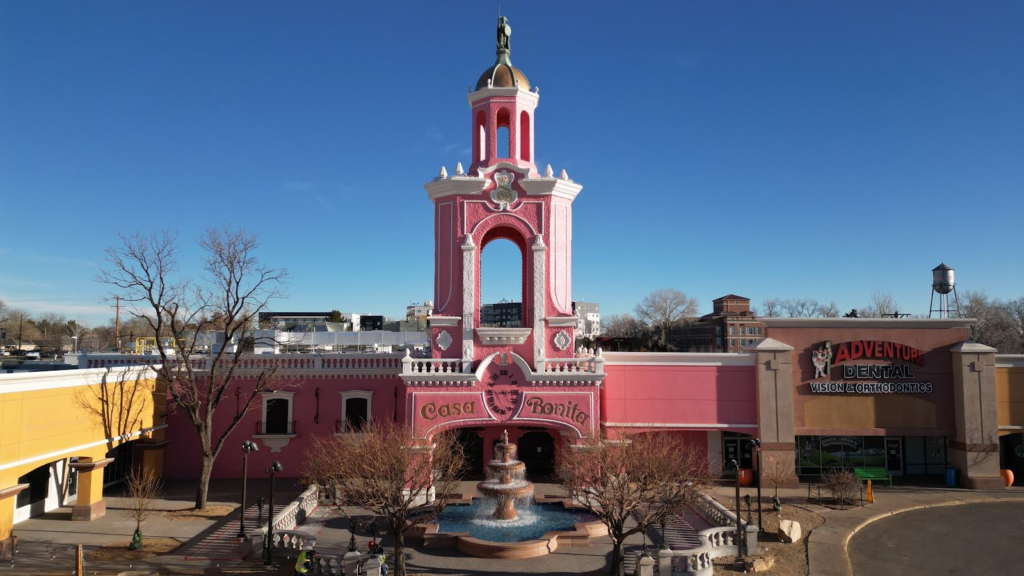
The restaurant was originally working to reopen by late 2022, but construction caused the entity to wait another year before reopening. For example, it took construction crews 27 tries to match the exact shade of Pepto Bismol pink on the exterior tower of the restaurant, and the restaurant also needed new ovens and range tops. Four new bars were built inside the building, and construction crews also widened an underwater tunnel where divers exited.

Photo courtesy: Casa Bonita Twitter

Casa Bonita first opened in Lakewood in 1974 and was part of a chain of Mexican entertainment restaurants that started in Oklahoma City. The restaurant was designated as a city landmark in March 2015 by the Lakewood Historical Society. Over the years, Casa Bonita has developed a type of cult-like following among Colorado residents since it first opened its doors.

Casa Bonita is located at 6715 W. Colfax Ave. More information about the restaurant’s menu and information about signing up for its email list can be found at casabonitadenver.com.

Patrons–We would love to hear from you regarding your Casa Bonita experience. Send your comments to news@LaVozColorado.com and include Casa Bonita in the subject line.

The Denver Nuggets advance to the Western Conference Semi Finals

0

If there were any doubt that the Nuggets truly had the L.A. Lakers card the Nuggets put it to rest on Monday night. Denver Nuggets star Jamal Murray was credited with the game winning shot for the second time in the series. The Lakers came into Denver with a renewed confidence after defeating the Denver Nuggets for the first time in twelve games over the weekend in game four.

Photo courtesy: NBA History – Twitter

Monday night’s game was the most competitive of the five games played, with the Lakers trying to hold on from elimination. The Lakers lead the Nuggets at the half in every game in the series and even led Denver in total minutes with the lead at 2-1. Nikola Jokic and Michael Porter Jr. led all Nuggets with 33 and 27 points while Jamal Murray ended the night with 22.

Lebron James and Anthony Davis chalked up 30 and 25 points while Austin Reaves and D’Angelo Russell both added 21 each. Denver Nuggets forward, Aaron Gordon had quite possibly the most important rebound with just over a minute to play when Jamal Murray missed a three-pointer and Gordon rebounded over Lebron James and kicked the ball back out to Murray for a second-chance three which he hit giving Denver a two point lead.

The Lakers tied up the game on the other end of the court on a couple free-throws but with the ball in Murray’s hands on the last possession ended up being too much for L.A. in the end.

The Nuggets will now face the Minnesota Timberwolves who eliminated the Phoenix Suns in four games. Last season the Nuggets eliminated the Timberwolves in five to advance to the Conference Semi-Finals where they beat the Lakers to advance to the Finals.

The Colorado Avalanche have a chance to advance to the next round if they can defeat the Winnipeg Jets on Tuesday (results of the game not available at the time of this writing).

If Colorado can defeat Winnipeg they will meet up with winner of the Dallas Stars and the Las Vegas Golden Knights series, which is currently tied at 2 apiece.

The Denver Broncos finished this year’s draft with some pretty good pieces to build on but was it enough? On Thursday night the first round of the draft took place in Detroit Michigan, where the Denver Broncos drafted Oregon quarterback, Bo Nix. The Broncos were drug by critics for drafting Nix so high but fans seem to be jovial over their new quarterback.

The Broncos didn’t pick again until round three, where they picked up Utah outside linebacker Jonah Elliss which to some might be a head scratcher considering Denver’s current pass rusher room. Regardless, the pick is a good overall pick for a team that has hit the rebuild button.

The Broncos then went and reunited Bo Nix with his top college receiver, Troy Franklin who had fallen nearly 25 spots from his projected draft spot. In round five the Broncos picked up a cornerback in Kris Abrams-Draine from Missouri. Abrams showed excitement for a potential chance to play opposite of Pat Surtain II.

Two picks later the Broncos drafted running back and fighting Irishman, Audric Estimé who’s highlight film is mostly film of him trucking defensive lineman and d-backs while running north and south. The Broncos added another wide receiver in the seventh round when they drafted DeVaughn Velle also from Utah. Denver’s last draft pick was of offensive lineman Nick Garguilo of South Carolina.

Pueblo’s Riverwalk prepares for its grand makeover

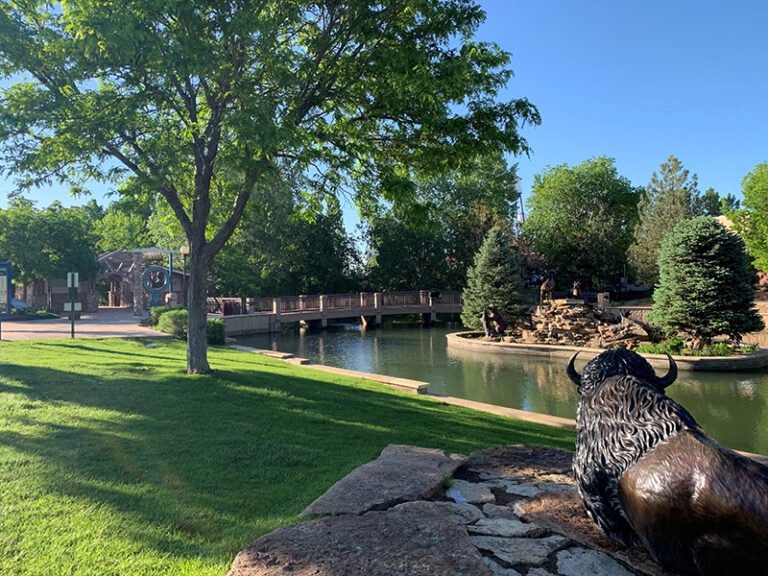
When you think ‘riverwalk,’ you almost automatically, think San Antonio. The Texas city is home to the country’s most elaborate riverwalk. But if you aren’t in San Antonio or don’t feel like taking the drive or flight, ‘think Pueblo.’ Yeah! Think Pueblo! It not only has a riverwalk but plans just got green-lit to make it even better.

Pueblo’s Historic Arkansas Riverwalk Project, HARP, became a reality in October of 2000. The idea had been tossed around for years by city leaders thinking it might be a way of revitalizing the economy during some very down economic times. Today it has become one of Pueblo’s crown jewels attracting thousands of both locals and visitors each year. It’s now preparing for its fourth expansion.

Photo courtesy: Pueblo Riverwalk

The Riverwalk intersects the city’s historic Union Avenue, one of Pueblo’s main arteries and now, also, one of the city’s most upscale destinations. It’s a district featuring a balance of the old and the new, including restaurants, boutiques and antique shops.

The $16 million project will be paid for with city, county, state and federal government money. Besides paying to lengthen the waterway, the money will also cover the cost of a planned multi-purpose boathouse.

Pueblo Mayor Heather Graham has promoted it since her days on the Pueblo City Council and HARP board member. As Mayor she also endorsed using funds from the city’s half-cent sales tax to help supplement the expansion. “What better of a way to use the half cent sales tax dollars,” she told The Pueblo Chieftain, “than to try to generate more businesses maybe coming to town, or more volume coming into Pueblo’s jewel, the riverwalk.”

The waterway, said Steven Meier, Pueblo’s Director of Parks and Recreation, will be extended “east over to Santa Fe (Avenue) and give the channel another front door.” That portion of the project will be the most expensive component of the undertaking, costing $4 million dollars.

Of course, the project will entail a bit of inconvenience or “setbacks,” as Meier described it. “We’ll drain the channel,” he said, adding that sidewalks will also be removed, and other detours will also be necessary. But, he promises, that any impact to the community will be “minimized.” The drainage will also be short term.

While the Arkansas River today runs south of the city’s business district, it is not the natural path of the river. The Riverwalk actually recreates its original route.

For those unfamiliar with the Arkansas River, it has historically been the lifeblood of so many things in the region going back centuries when indigenous people, including Apache, Comanche, and Ute Indians, called it home.

Of course, today the river is the principal water source for the agricultural riches produced in the eponymously named Arkansas Valley. Farmers and ranchers, both in Pueblo County and eastward to the Kansas border, rely on its water for irrigating everything from alfalfa to watermelon. Of course, Pueblo’s legendary chili is also one of its beneficiaries.

It was the flood of 1921 that caused city planners and the Army Corps of Engineers to reroute the river. The flood, considered one of southern Colorado’s worst ever natural disasters, caught the city by surprise on June 3rd of that year.

A deluge causing the Arkansas and Fountain Rivers to overflow and overpower any restraints destroyed nearly all of the city’s business district and in the process killed as many as 200 people in the city and downstream, drowned many times that number in livestock and was estimated to have caused $25 million in destruction or $325 million in today’s dollars.

The Riverwalk today also provides recreation for paddle boarders, kayakers and peddle boats—oversized duck replicas—can also be rented. It is also landscaped as an oasis in the city with plenty of shade to shield the sun during Pueblo’s summer months. Boat season on the Riverwalk is from May through September.

While the Pueblo Riverwalk is not San Antonio, it nonetheless offers locals and visitors an aquatic getaway in the city. “Visitors can expect to see beautiful gardens… and horticulture,” said HARP Executive Director Lynn Clark.

“It’s a great place to get out and enjoy the beauty of the environment, including a little bit of wildlife that adds to the experience.”

Visitors to the Riverwalk also have a chance to spend time at Veterans’ Bridge. The bridge honors veterans, those who fought in wars or served in peacetime. The names of 7,148 veterans are displayed on the bridge along with the name of four of the city’s Medal of Honor recipients.

Now approaching its 25th year, the Riverwalk has hosted everything from graduations to reunions to weddings. The planned boathouse that will be part of the expansion, said Clark, will add a bit of cachet to the experience. It will house HARP offices and have a rooftop area for both public and private events. It will also provide a view of the city.

Construction will begin in May with an estimated completion in 18 months.

Cinco de Mayo heritage celebrated from Puebla to Pueblo

David Conde, Senior Consultant for International Programs

In June of this year I will have the honor and opportunity to lead a group from a veterans organization to Mexico City, Puebla and Veracruz. When we visit the State of Puebla we are scheduled to take time to visit the forts that used to defend the City of Puebla.

It is those forts that front the city and locate the Valley of Puebla where the heroic battle that we know as Cinco de Mayo took place on May 5, 1862. For most Mexicans, the Battle was just a military episode in history that began the defense of their country that lasted 5 years.

The people that mostly celebrated Cinco de Mayo in Mexico were the residents of Puebla because it was a heroic event that happened on their soil. To them, it became a matter of heritage.

It also became a matter of heritage here because the hero of Cinco de Mayo, General Zaragoza, was born near Corpus Christi, Texas before it was part of the United States. In other words, he was American before America came to Texas.

It is from that source that Mexicans in the United States grew his name and expanded on his most important gift to Mexico. The vehicle used to do this was Zaragoza Halls that sprung up, especially in the American Southwest where the American community of Mexican descent was rooted.

It was an attendance at a Cinco de Mayo ceremony and dinner in the Pueblo, Colorado Zaragoza Hall in the beginning of the 1970s that inspired the notion of a Chicano application. Pueblo Chicanos from what is today Colorado State University at Pueblo and over 100 non-profit community organizations in Southern Colorado rallied to the concept as they found that Cinco de Mayo had a lot in common with the Movement’s commitment to social justice and self-determination.

Once consensus was reached on the idea, the work of building a celebration began. Four months of planning and 110 years after the battle in Puebla, Mexico, the first Chicano commemoration of Cinco de Mayo was born and celebrated by 25,000 people in Zapata Park in Pueblo, Colorado.

One hundred and eight organizations in Southern Colorado had come together to create activities that included a pancake breakfast in downtown Pueblo, a parade and several cultural events that culminated with the large gathering at the park.

The organizers of the first celebration also brought people to the 4-H Pavilion in the Colorado State Fairgrounds for a dance featuring Al Hurricane, the godfather of New Mexico music, that played to an audience of 2,500. It was an unforgettable experience to see Al Hurricane Sanchez and his brothers Tiny Morrie and Baby Gaby perform the Nuevo Mexicano music we all love.

Once Cinco de Mayo became a Chicano event, it developed into a staple of Spring celebrations in cities across in the Southwest and the country. Also, in the first years of the event, businesses took notice and offered Cinco de Mayo sales as part of the week.

In the decades that followed, Cinco de Mayo festivals have become part of the national calendar. Beer and media companies also have converted into major sponsors and advertisers of the events.

Although the Chicano version of Cinco de Mayo has lost much of its political meaning, it nevertheless provided another pillar in Latino community heritage. Also, as it happened in Puebla, Mexico, the Zaragoza Hall community in the United States and the Chicano Movement, Cinco de Mayo is becoming part of our national heritage.

Free at the Aurora Fox Cultural, Cinco de Mayo Tribute

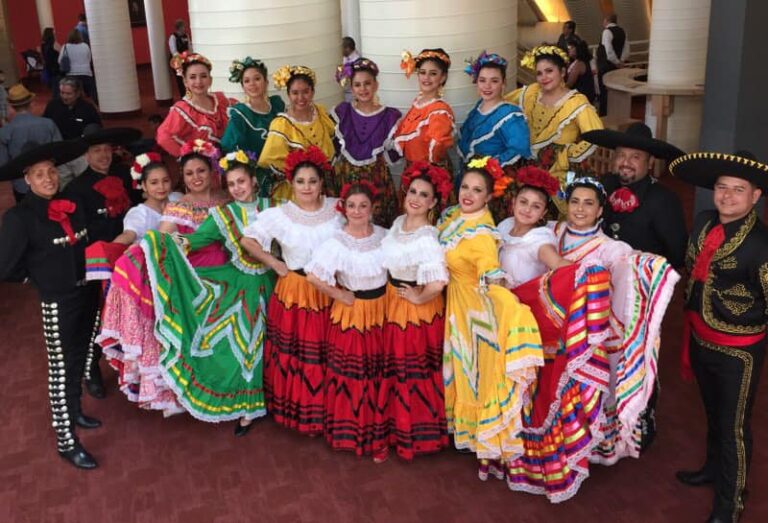
Join the Colorado Folk Arts Council and Metropolitan State University of Denver JTOH program,at the Aurora Fox (9900 E. Colfax) on Tues. May 7th for a Cinco de Mayo extravaganza. There will be two concert showings beginning at 11:00 a.m. and lasting until 11:45 am and then another at 12 noon until 12:45 p.m.

Photo courtesy: Journey Through our Heritage

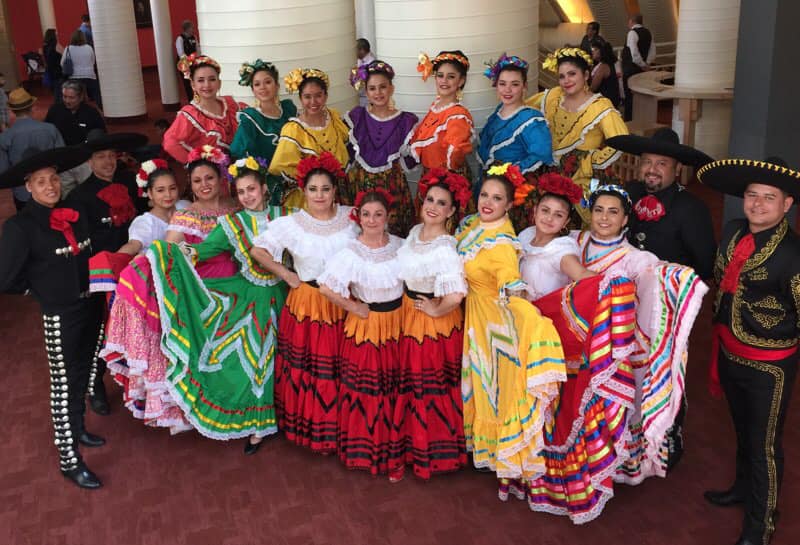
The celebration features Colorado’s premier Ballet Folklorico group Fiesta Colorado, under the direction of Jeanette Trujillo, Azteca dance groupo Huitzlipotchli and CFAC German Dancers. The three groups teamed up nine years ago to demonstrate the lesser-known subtle influences that have contributed to the music and dance of Mexico over the centuries, including music from Germany.

The free shows are a tribute to the diverse and ethnic influences of the songs and dances of Mexico. This is the grand finale of the 2023/2024 Cultural Concerts series sponsored by the Aurora Fox and the CFAC.

Almost three decades ago years ago the Colorado Folk Arts ( CFAC) was asked by the offices of Original Aurora Renewal to host a monthly series of free cultural concerts at the historic Aurora Fox (9900E.Colfax) they jumped at the opportunity. Back then city officials saw that the demographics of the city were changing and they wanted to create an art opportunity that would bridge the gap between the diverse populations in the area.

Today CFAC and MSU Denver JTOH program have provided culturally educational programs for thousands of undeserved school children and the community. From Aztec Dancers to African Drumming to Mudra dance of India, the Cultural Concert Series on Colfax is unique to Colorado.

Ron Gehauf , CFAC director stated, “This is the only free concert series of its type in the whole South West. The continued support of the Aurora Fox, the Arapahoe SCFD and our partners Metropolitan State University of Denver (MSU Denver) Journey Through Our Heritage program have ensured that we can continue to offer these shows at the Aurora Fox.

Both shows are free and open to the public. No reservations are required but for groups of 10 or more please email jtoh2016@gmail.com or text 720-329-0869. Or visit http://www.colofolkarts.org.

Source: Journey Through our Heritage

Adams County awards over $1 million to Aurora mental health and recovery

0
Photo courtesy: Adams County Colorado

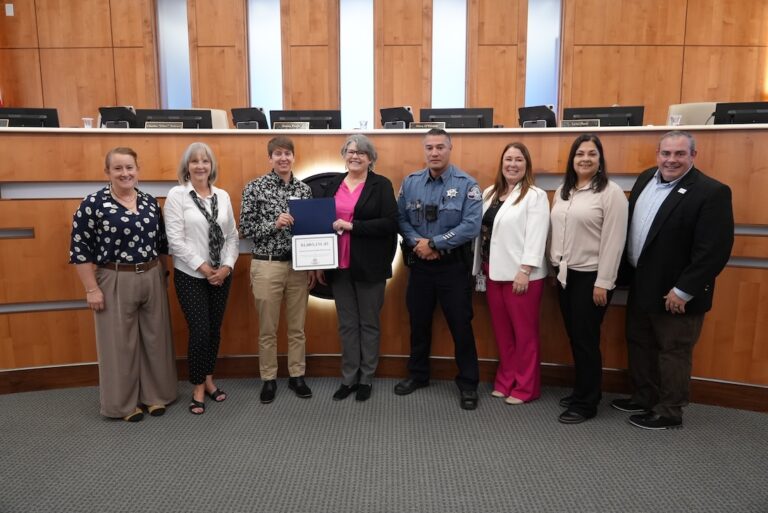
The Adams County Board of Commissioners (BoCC) awarded $1,003,151.45 in federal American Rescue Plan Act (ARPA) funds to Aurora Mental Health & Recovery (AMHR) at public hearing on Tuesday, April 30.

AMHR is a nonprofit community mental health organization that provides a wide range of mental health and addiction services to anyone and everyone in need. AMHR’s staff of physicians, nurses, psychologists, therapists, and peers works with all age groups, from children to seniors.

“As we are about to enter Mental Health Awareness Month in May, we are thrilled to partner with Aurora Mental Health & Recovery as they continue their important work in this field,” said Emma Pinter, Chair of the BoCC. “Their mission and values align perfectly with Adams County’s. By prioritizing mental health, we are investing in the well-being and health of our entire community.”

AMHR will use these funds for a detoxification and walk-in crisis project that will increase transportation for eligible clients from Adams County to AMHR’s existing withdrawal management program location. AMHR will consult and collaborate with Adams County and other community stakeholders to develop a comprehensive plan for a new service delivery location for withdrawal management to meet community needs.

Source: Adams County Colorado

What’s Happening?

0
Photo courtesy: Museo de las Américas

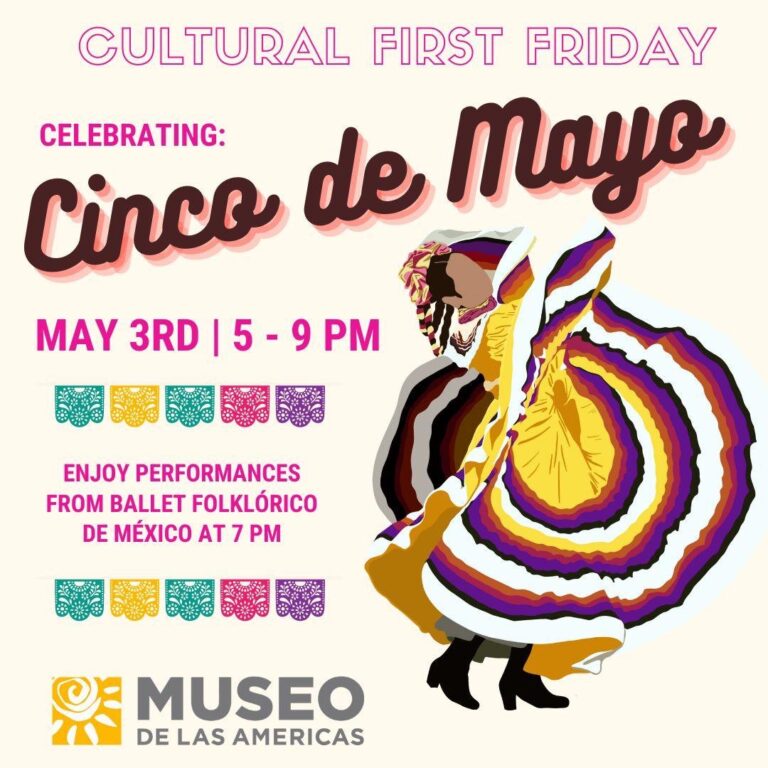
Come and celebrate Cinco de Mayo with us at Museo de las Americas!

We’ll have free admission – ALL DAY LONG. We invite you to come check out our current exhibition Espíritu Hermosx.

Join us for an exciting evening filled with culture, dance, and delicious food. Enjoy a captivating presentation by Ballet Folklórico Sangre de México while savoring tasty delights from the food truck and sipping on refreshing beverages. Our featured food vendor will be Tia Sopapilla.

Membership Special: Unlock the magic of Museo and get a FREE Museo Mystery Bag with the purchase of ANY membership (a $15 value). Use code HERMOSX for $5 off any individual membership -or- use code ESPIRITU for $10 off any dual membership.

Don’t miss out on this opportunity to have fun and immerse yourself in the vibrant spirit of the Americas!


Que Pasa? is compiled by La Voz Staff. To submit an event for consideration please email attractions@lavozcolorado.com with Que Pasa in the subject line by Friday at 5 p.m.

Biden cabinet member travels to Denver and Aurora for NSBW roadshow

Administrator to meet Governor Polis and Mayors from Denver and Aurora

On Thursday, May 2, Administrator Isabel Casillas Guzman, head of the U.S. Small Business Administration (SBA) and the voice in President Biden’s Cabinet for America’s more than 33 million small businesses, will travel to Colorado for a stop on the SBA’s 2024 National Small Business Week (NSBW) roadshow.

In the morning, Administrator Guzman will join Denver Mayor Mike Johnston in visiting three locally owned small businesses on the city’s 16th Street Mall as part of Denver’s Come Back to Main Street initiative – including a long- standing entertainment venue that relied on SBA resources to grow and survive the pandemic, as well as a restaurant that started as part of the Small Business Boom under the Biden-Harris Administration, which has seen 393,000 new business applications in Colorado alone.

The Administrator will then visit a local small business incubator to meet with four tenants who have started up under the Biden-Harris Administration’s Small Business Boom. Afterward, Administrator Guzman will serve as the keynote speaker for Colorado’s National Small Business Week award ceremony hosted at the incubator, where she will meet with SBA Colorado’s local winners and two national winners from Colorado as well as participate in an alumni showcase for the SBA’s T.H.R.I.V.E. training program. Administrator Guzman will be available to speak to the press afterward to those who RSVP to rebecca.galanti@sba.gov.

The Administrator will then travel to Aurora with Governor Jared Polis and Mayor Mike Coffman to tour a local marketplace and visit with four small businesses, including new small businesses formed under the Biden-Harris Administration, minority- and women-owned small businesses, and businesses who have relied on SBA resources to grow. She will be joined by representatives of the Aurora- South Metro Small Business Development Center (SBDC), recipient of the National SBDC Excellence and Innovation Award.

As Colorado leads the nation in new business application growth rates, diverse entrepreneurs in Colorado are thriving under the Biden-Harris Administration – building and leaning on their networks to lift one another up. This National Small Business Week, the SBA is highlighting the power of building a strong entrepreneurial network and encourages Coloradans and all Americans to support their local economies and Come Back to Main Street.

Our Government

White House

Statement from President Biden on the shooting in North Carolina: “Four brave law enforcement officers – including a Deputy U.S. Marshal – were killed in the line of duty. They are heroes who made the ultimate sacrifice, rushing into harm’s way to protect us. We mourn for them and their loved ones. And we pray for the recoveries of the courageous officers who were wounded. When a law enforcement officer puts on that shield in the morning and heads out the door, their family members dread the phone call – the very call that came today. It’s like losing a piece of your soul. To the families of those we lost: Jill and I, and all Americans, are here for you. And we will always be here for you. We must do more to protect our law enforcement officers. That means funding them – so they have the resources they need to do their jobs and keep us safe. And it means taking additional action to combat the scourge of gun violence. Now. Leaders in Congress need to step up so that we ban assault weapons and high-capacity magazines, require safe storage of guns, and pass universal background checks and a national red flag law. Enough is enough. May God Bless these fallen heroes.”

Colorado Governor

Governor Polis announced that Democratic legislative leaders, industry, and the environmental community have agreed on a new legislative package that makes major progress on air quality, ozone, and climate goals while focusing on an economy-wide transition that will support a stronger Colorado future for generations to come. This is a thoughtful agreement that is the result of hundreds of hours of hard work, convening conversations among, at times, adversarial parties, and putting in the effort to seek consensus and forge a better path forward for Colorado. As a result, the parties have agreed that new costly, divisive legislation or ballot measures that impact the operations of industry, new regulatory changes for oil and gas, or ozone regulations is not in the best interest of the state.

Denver Mayor

Mayor Mike Johnston and the City and County of Denver today released a new, in-depth playbook (PDF, 801KB) that outlines best practices and procedures for cities to welcome newcomers arriving from the U.S. southern border. “In Denver, we believe that our challenges are solvable and we are the ones to solve them,” said Mayor Mike Johnston. “Over the last year and a half, despite the federal government failing to support our cities, Denver has led by building sustainable systems that help newcomers get back on their feet and turning a crisis into opportunity. We’re proud this playbook will help newcomers resettle in cities with more opportunities, help cities across the country successfully welcome newcomers and reinvigorate workforces.”