







Home Blog Page 98

A Week In Review

0

Africa

Popular Ghana gospel musician passes

Kofi Owusu Dua Anto, known as Koda, has passed away at the age of 46. Koda was a popular Ghanaian gospel musician and was known for his uplifting songwriting. Reports suggest he passed after suffering from kidney disease. His most popular songs include Nsem Pii and Adooso.

Dozens kidnapped from Mali

At least 100 people were kidnapped by suspected jihadists in Mali last week. Those who were kidnapped were reportedly traveling on buses when the attackers forced them to drive in the direction of a forest. There has been no sign of the hostages as of Monday. Jihadists began attacking northern Mali 10 years ago and have also targeted other countries like Niger.

Asia

Mass flooding in China forces thousands to evacuate

More than 100,000 people were forced to flee their homes in China because of mass flooding. State media reported that four people have died so far, and at least 10 others are missing. The flooding occurred in Guangdong, China’s most populous province. Other buildings like banks have been damaged, and about 1.16 million households lost power over the weekend.

Race car kills seven at motor event in Sri Lanka

Four race officials and spectators were killed at a motor event in Sri Lanka when a race car crashed into the audience. Police said the accident occurred when the car jumped out of the running lane, and two drivers were arrested. The motor event is operated by the Sri Lankan Automobile Sports Association, and among the victims included an eight-year-old girl.

Europe

Polish man arrested over possible assassination attempt

Officials in Poland arrested a man who was allegedly collecting information about an airport used by Ukraine President Volodymyr Zelensky. The man, Pawel K, was charged with planning to co-operate with Russia to help with a possible assassination of Zelensky. The suspect is facing up to eight years in prison if found guilty, and an investigation is underway.

Far-right German politician accused of using Nazi slogan

Bjorn Hocke, a leader of the Alternative for Germany party in Thuringia, is going to trial after being accused of using the Nazi slogan, “Everything for Germany!” at a 2021 rally. The slogan was used by the SA stormtroopers who helped the Nazis rise to power. Hocke faces up to three years imprisonment, and prosecutors allege he knew the phrase was banned for its asso- ciation to the Nazi Sturmabteilung.

Latin America

Ecuador votes for tighter security

Ecuador residents voted in favor of allowing military members to patrol streets in an effort to combat gang violence. The country has the highest recorded murder rate in Latin America. Voters also voted for longer prison terms and extraditing violent criminals. Last year, the country recorded nearly 8,000 violent deaths.

Large bank sells Argentina business

HSBC Argentina, a bank with more than 100 branches and 3,100 employees, will be sold to Grupo Financiero Galicia. Argentina has the highest inflation rate in the world, and HSBC has been in Argentina since 1997. The bank has dealt with the country’s unstable exchange rate for years, and last month, annual inflation in Argentina hit 276.2 percent.

North America

Yale students protest war in Gaza

Several protesters at Yale University were arrested during demonstrations against the war in Gaza. At Columbia University, more than 100 people were arrested during similar protests last week. Yale University students have been calling for the university to halt investments in weapon manufacturers. Many universities have said there has been a rise in antisemitic and Islamophobic incidents.

House approves Ukraine aid

The United States House of Representatives approved billions of dollars in military aid for Ukraine. The country will receive around $61 billion to help combat Russia’s invasion. The aid will be used for air defense systems, mid to long-range missiles, artillery shells, and more. It is unknown when the aid will arrive.

Earth Day 2024, a reminder that there is work to be done

It was 1970, eight years after Rachel Carson’s seminal book, “Silent Spring,” that the first Earth Day was held. Carson’s book documented how the indiscriminate use of pesticides and turning a blind eye to the environment presented a looming shadow of danger to the planet.

An example Carson wrote about was a finding that birds ingesting DDT produced thin-shelled eggs that would crack prematurely thus reducing the population and creating a natural imbalance in the ecosystem.

The book showed the demonstrable effects chemical agents used in agriculture to make crops more resistant and harvests more plentiful could work their way up the food chain until they reached the apex—humans. The result, deadly illnesses, birth defects and a host of other quality of life issues.

“Silent Spring” is often credited for being the spark that ignited what we know today as the environmental movement. For many, including Metropolitan State University-Denver Professor Richard Wagner, Carson’s warning is even more important today than when she first sounded the alarm more than a half century earlier.

“What we are witnessing is just the tip of the iceberg,” said the MSU-Denver meteorologist. Wagner’s iceberg reference is not simply metaphorical. Melting icebergs have raised water levels worldwide resulting in more dangerous hurricanes and typhoons, added to coastal flooding in lowlying areas and also have had an impact on insect, bird and animal life. They have also had political and economic repercussions.

Scientists say that carbon dioxide, a byproduct of the burning of fossil fuel has led to rising ocean temperatures that today threaten the very existence of the planet. Uncontrolled use of fossil fuels and other gases, including methane and nitrous oxide, will continue to deplete the ozone, earth’s natural defense against the sun’s ultraviolet radiation.

The MSU-Denver career meteorologist also said climate change is responsible for “unprecedented heatwaves and wildfires,” wildfires that may be only months away as summer heat closes in across the West.

Australia’s Great Coral Reef, one of the world’s most biodiverse ecosystems, is testament to the threat posed by fossil fuels and ever warming ocean temperatures. By some estimates, as much as a fourth of all marine species depend on coral reefs. NASA estimates Earth’s current rate of warming is now at a rate not seen in the past 10,000 years.

Colorado sits in the path of potential wildfire havoc with huge swaths of high country today reduced to kindling by pine beetles who are now surviving through historically warmer winter temperatures. Millions of acres of U.S. forests remain under the same threat.

Winter temperatures that normally would have frozen and killed pine beetles are now warmer allowing the vora- cious insects to survive and move into new high-country acreage and resume their devastating march. A simple lightning strike can potentially spell an aimless destruction that has neither timetable nor respect for borders.

Earth Day 2024, said Wagner, represents a reminder to “think about the many amazing treasures of the natural world that are under threat from pollution, disrespect for the land, and now climate change.

But climate change, he said, manifests itself in not only the things we see but other ways, too. “The cost of respond- ing to disasters will lead to higher taxes and insurance rates.” A number of insurance carriers have already stopped issuing policies in Florida for homes and autos citing the costs to rebuild or replace for the decision.

At MSU-Denver, Earth Day 2024 will stretch beyond a single day, said Wagner. It will be Earth Week and include a Platte River cleanup, a call to use alternate transit to campus and a hands-on family science activities day at the Dia de la Tierra Community Celebration at the National Western Center on April 20th.

Earth Day is not only a reminder of the price for not paying attention to the various environmental warnings, said Kelsey Simkins, but also a time to celebrate and acknowledge some of the positive steps that have been taken over the last several decades.

While Denver may not have coined the term ‘brown cloud,’ so named in the late 1970’s when the city—and much of the Front Range—was ringed by an unmistakable and unsightly layer of pollution, things have improved dramatically, though not perfectly.

Kelsey Simpkins, communications and programs coordinator for the Regional Air Quality Council, a non-governmental agency that monitors air quality in nine Front Range counties, said we are moving in the right direction. “We have made a lot of progress on the Front Range…we should be very proud.

But, because of the geographic and topographic realties of the Front Range—proximity to the mountains will always be a trap for bad air inversions in winter—clean air will always present a challenge. But federal mandates requiring catalytic converters on cars and local governments moving away from things as simple as eliminating sand on streets in winter after snowfalls, have had demonstrable and posi- tive benefits.

“If we had not done that, we would still be breathing much worse air today, our communities would be much less healthy and we would be struggling a lot more,” Simpkins said. Because of where we live, the reality is that there is no magic bullet.

“The nine-county (RAQC) range is out of attainment,” Simpkins concedes. “We are not currently meeting ground level ozone levels that the EPA requires.” More will have to be done and it may begin with each one doing their own part.

RACQ’s outreach program, “Simple Steps, Better Air,” emphasizes “driving less, carpooling, swapping the car for the bus, walking, biking or taking a scooter.” Other things, especially for parents, she said, include turning off your engine when “picking up your child after school, don’t idle.” Also consider switching to electric equipment and moving away from things like gas-powered lawn mowers. Little things add up.

“Change is scary,” she concedes. “Being asked to change elements of lifestyle” is not easy. “Humans can be fairly resistant.” But she reminds everyone that “there are benefits to change. I encourage people to have an open mind.”

Cinco de Mayo Festival returns

0

Colorado’s largest and longest-standing regional Cinco de Mayo Festival is set to return on May 4 and 5.

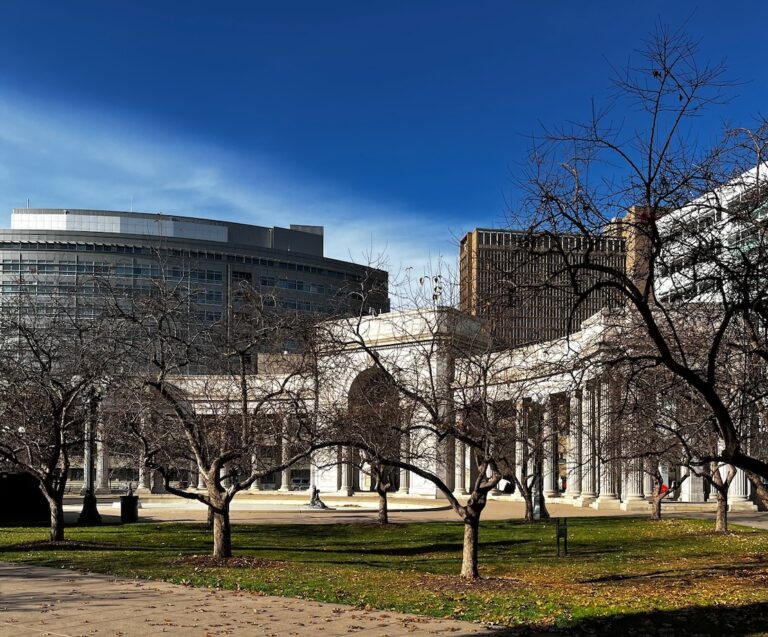
Last year’s Cinco de Mayo “Celebrate Culture” Festival drew hundreds of thousands of people. The event was started by NEWSED Community Development Corporation as a neighborhood street fair to celebrate Mexican heritage. In 1995, the festival moved to Denver’s Civic Center Park, and after a two-year break because of the pandemic, the event returned in 2022.

This year’s Cinco de Mayo Festival will take place from 10 a.m. to 8 p.m. at Civic Center Park, first Saturday and Sunday in May. The festival will include contests, non-stop entertainment across three stages, food vendors, and unique merchandise from local artisans. The event is family friendly and will include activities for children.

Among the many forms of entertainment at the Cinco de Mayo Festival will include chihuahua races, a taco eating contest, and a lowrider car show. Festival headliners include Dueto Voces de Rancho, who will perform on May 4, and Patrulla 81, who is slated to take the stage on May 5. The Cinco de Mayo Festival will also include a parade that takes place on May 4 from 11 a.m. to 12 p.m. The parade will start three blocks west of the City & County Building and will wind through downtown Denver before eventually arriving at Denver’s Civic Center Park area.

“I love that the event brings the community together. That’s what I love about it,” said NEWSED President/CEO Andrea Barela. “I grew up with this event. I’ve been a part of it since I was eight years old. My favorite part is seeing people happy with their children out having a good time. I like it when our community can come together and forget about just how difficult life can be and just celebrate together for a weekend and have fun.”

Cinco de Mayo celebrates the date of the Mexican army’s May 5, 1862 victory over France at the Battle of Puebla during the France-Mexican War. The day is a minor holiday in Mexico, but it has evolved into a cel- ebration of Mexican culture and heritage in the United States. It is also a longstanding symbolic celebration of the underdog, as in the Battle of Puebla where the French army outnumbered the Mexican military.

Cinco de Mayo is primarily observed in the state of Puebla and traditions include military parades, recre- ations of the Battle of Puebla and other events. In the United States, Chicano activists raised awareness of the holiday in the 1960s.

For decades, NEWSED has worked to promote community development to underserved populations in Colorado by providing navigation for housing services, nurturing small businesses, and promoting asset creation.

For more information about the Cinco de Mayo Festival, visit cincodemayodenver.com. To learn more about NEWSED, visit newsed.org.

“I think Cinco de Mayo is a good example of how the Hispanic culture in Colorado and the Latino culture in Colorado is very prevalent and always has been. This is one of the events, not the only event that celebrates that,” said Barela.

Regular season ends for Nuggets and Avalanche

0

The regular season is over for two of Ball Arena’s occupants and although neither team ended the regular season with the top seed, both are expected to make it deep into the playoffs.

The Denver Nuggets ended the season 1-1 in their last two games losing to the San Antonio Spurs in a game that would have likely given them the top seed. The Nuggets instead will have the second seed in the Western Conference behind the number one-seeded Oklahoma City Thunder.

The Nuggets’ opponent has not yet been announced since the Play-in tournament that will feature the L.A. Lakers vs. the New Orleans Pelicans, the Golden State Warriors vs. Sacramento Kings, the Miami Heat vs. Philadelphia 76ers, and the Atlanta Hawks vs. the Chicago Bulls. At the moment, Denver will likely see the winner of the Lakers, New Orleans game.

The Colorado Avalanche were 2-6 in their last eight games with losses to the Nashville Predators, the Columbus Blue Jackets, the Edmonton Oilers, the Dallas Stars, the Winnipeg Jets and the Las Vegas Golden Knights. Colorado’s largest loss came at the hands of the Winnipeg Jets who walloped Colorado 7-0 just this past weekend.

The Avs will now have to face the Jets in their first series that kicks off this weekend. Colorado had a chance to solidify the number two spot after their loss to Dallas last week, which all but put the number 1 spot well out of Colorado’s reach, but their recent end-of-regular season losses dropped the Avs down to the number three spot.

In other sports the Denver University Pioneers Hockey team quietly became Colorado’s most decorated championship team over the weekend after winning their 10th Championship in the Frozen Four title over Boston Colleges Eagles.

DU’s championship win could be sign of greater things to come for the Colorado Avalanche, as both teams won championships in 2022.

DU completely dominated the game through three periods and DU’s goalie Matt Davis stood on his head defending some remarkable goals including one that seemed like a sure goal. Throughout the tournament, Davis stopped 139 of 142 shots with a .970 save percentage.

Colorado Rockies fans are scratching their heads about a decision to use one of Colorado’s top pitchers, Kyle Freeland as a pinch runner in Colorado’s loss to the Philadelphia Phillies, which ultimately caused injury to his right shoulder after trying to slide into home plate. Colorado’s manager Bud Black said Freeland is fine, but the team has not released any word on the injury or if Freeland will be missing any time with the team.

Former Denver Broncos defensive end Barney Chavous will be inducted into the Colorado Sports Hall of Fame later this week. Chavous was a huge part of Denver’s infamous defense, “The Orange Crush.”

‘Los Bad Boys de Taos’ still going strong playing the hits, including their own

Born in Leadville, not exactly a mecca for Chicano music, Clifford Mondragon has forged a musical path that has taken him and the band, Los Bad Boys de Taos, across the southwest and inspired thousands to, as the expression goes, ‘throw chancla.’

The 57-year-old Mondragon, who now resides in Littleton, has been the man behind the keyboard for ‘Los Bad Boys’ for the better part of three decades. Of course, playing music, as it is for musicians everywhere, is not a full-time gig. But it is a full-time passion. Mondragon’s day job is working as a traffic control supervisor.

Photo courtesy: Los Bad Boys de Taos

The easy going Mondragon spent a recent Saturday morning revisiting the journey from Colorado’s mountains to the artist colony of Taos to chatting about Los Bad Boys newest album, one that just recently dropped and selections of which can now be heard on YouTube as well as a number of other streaming platforms.

Like so many other musicians, including iconic artists like Paul McCartney, Louie Armstrong and Elton John, Mondragon is self-taught, relying more on ‘ear and instinct’ than what appears on the sheet.

“I did not play until I was twenty,” he said. But being musically curious and enamored with the sounds people could create relying only on inspiration and imagination, he took the plunge. “I went to a music store and just picked up a keyboard…one that had all kinds of noises and just started playing.”

For the next six years, Mondragon said he tried to mimic the sounds that played on radio and records. He wondered if all the mimicking, trying to replicate everything from cumbias to country along with “going to certain people’s house and jamming” would ever pay off.

But Mondragon said the practice never got old. He would practice the songs he’d heard since childhood—the songs of Al Hurricane, Tiny Morey and Purple Haze— with the same energy he thought it would take if he was actually backing up his musical icons. He had no idea his desire to play and the countless ‘garage gigs’ over the years would lead to him joining a real band. But it did.

A brother-in-law thought enough of Mondragon’s skills to drop his name with one of the Bad Boys that he knew. He’d heard the band, then a trio, was looking for a keyboard player.

“I got a call asking if I could audition,” Mondragon said. He left the audition not knowing if his play sparked an interest. It did. He joined the band, not as skilled as he would have liked, but good enough for a tryout. “I was just filling in the background,” he said. But his potential coupled with promise all paid off.

“It took more practice, more gigs, more experience of being on stage,” with the group, he said, to make him feel like he belonged. But he soon found “a comfort level.” The band found one with him, too.

Today, despite years of playing weddings, anniversaries, local gigs and opening acts, Mondragon still gets that flush of nerves he got before his first live show. But, he said, they vanish the moment the music starts.

Los Bad Boys have enjoyed a remarkable unity over the years. With only an exception or two, the band is nearly the same as it was when he joined.

Joseph Gutierrez still strums bass; same with Johnny Martinez on guitar, bass and vocals; Mike Valencia remains the indispensable Bad Boys drummer. Mondragon, or ‘Kiki’ as he’s called on stage, still mans the keys. He also contributes with vocals. But long gone, he said, is the ‘starter kit’ keyboard’ he bought thirty years earlier.

A single keyboard, essentially the ‘training wheels’ model from long ago just won’t cut it for the music the band plays today. “Now I use four,” he explains. “I’m doing more leads,” and to do more leads, he needs key- boards that can replicate the sounds of more instruments. While a modern day keyboard won’t exactly replicate a marching band, today’s models can come close.

Los Bad Boys still has a few weeks before going on the road. But once May arrives, Mondragon said, it’ll be non- stop every weekend until next October. He says the routine can sometimes be tough on his family. He’s married and he and his wife have three teenage sons. The road, he concedes, is just something that comes with the job.

One of the things Mondragon and the band are looking forward to is introducing their new music. Of course, it’ll also be playing its ‘bread-and-butter’ tunes, songs they’ve played a thousand times. But despite having played so many of the same songs so many times, Mondragon said he and Los Bad Boys never tire of them.

“We want to play what the audience wants,” he said. “If they want to hear it, we play it.” The music is performed for the listener, whether it’s a full house or a single person, he said. “We want people to enjoy it.”

Mondragon’s Leadville years ended at age eleven when his parents decided to trade Colorado’s high country and the mining jobs there for Taos and the mining jobs there. His family was one of many Latino families who toiled in the ever-dangerous underground work. His older brother lost his life in a Climax mining accident.

Despite a repertoire of rancheras, cumbias and classic rock, Mondragon remains a big fan of what he calls ‘hair nation rock, heavy metal bands like Journey and Metallica. But Elvis is an ‘evergreen,’ an artist whose music will always be special. “Back in the day,” Mondragon says with an unvarnished respect, “he was a performer.”`

Los Bad Boys de Taos will have a ‘soft opening’ next weekend at the Commerce City American Legion Post 151. After that, it’s showtime every weekend until next Fall.

Denver Zoo expands wildlife conservation efforts to Africa

0

New Partnerships Will Help Protect Two Endangered Species Found at the Zoo—Gorillas and Grey Crowned Cranes

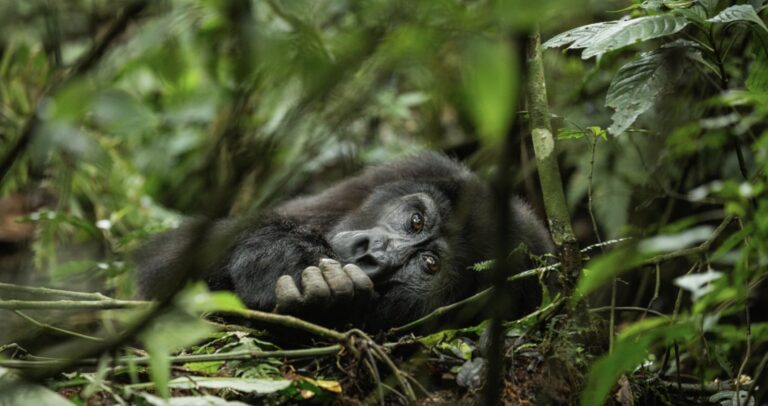
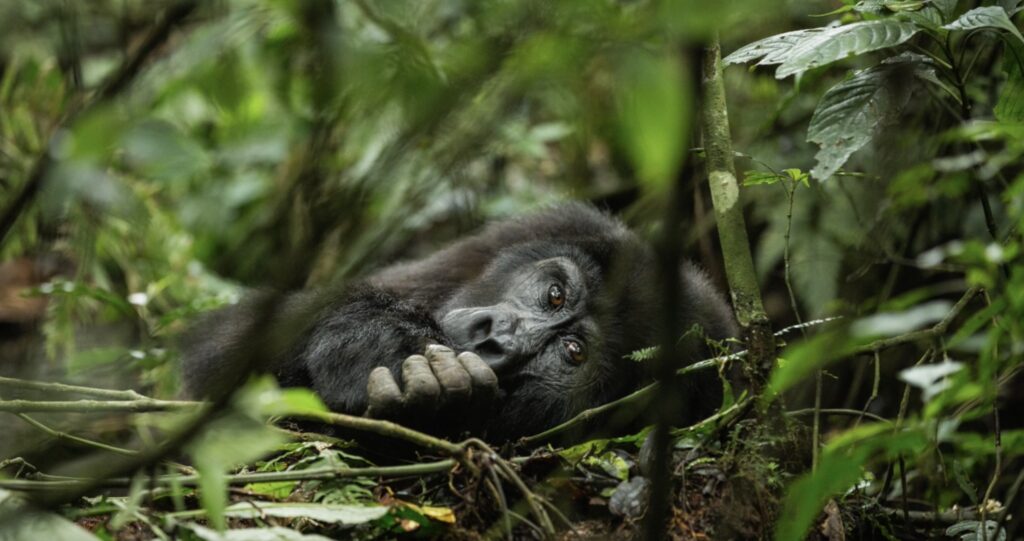
At Denver Zoo’s 80-acre campus three miles east of downtown Denver, a troop of Critically Endangered western lowland gorillas enjoy the relative peace and security provided by attentive animal care and health teams and a spacious habitat.

Photo courtesy: Denver Zoo

More than 8,500 miles away in the Bwindi Impenetrable National Park in Uganda, their wild cousins, Endangered mountain gorillas, face a multitude of threats, including habitat loss and disease transmission. Denver Zoo is expanding its wildlife conservation efforts to help protect the species in partnership with Conservation Through Public Health (CTPH), an organization focused on the inter- section of wildlife and human health in and around Bwindi.

“Mountain gorillas and their wild habitats are among the species and landscapes that Denver Zoo is focusing on that have a high conservation need,” said Dr. Lynn Von Hagen, Regional Conservation Director for Africa at Denver Zoo. “Our partnership with CTPH reflects our approach to wildlife conservation that aims to support community-centered organizations and align our conservation work with our efforts globally and on our campus in Denver.” 

Monitoring Gorilla Health in Uganda

Denver Zoo is supporting a veterinary technician for CTPH, which will ease the workload of its current vet and technicians as they continue to monitor the health of mountain gorilla groups in the region. CTPH regularly monitors the health of the Bwindi gorilla groups through fecal samples, engages with local villagers on zoonotic disease prevention, trains rangers and porters on best practices for gorilla tourism, and supports livelihood projects, such as coffee growing for the local community. The Zoo is also looking forward to future opportunities to support CTPH in multiple ways as they continue their important work with the hopes of expansion to other areas where gorillas are found.

“We are extremely thrilled and honored to be a partner of Denver Zoo and are looking forward to working closely with the zoo to strengthen our work to protect the gorillas and meaningfully engage the Bwindi local communities in conservation,” said Dr. Gladys Kalema-Zikusoka, Founder and CEO of Conservation Through Public Health. 

Supporting Grey Crowned Crane Conservation Champions in Rwanda

The Zoo is also partnering with Rwanda Wildlife Conservation Association (RWCA) to help protect Endangered grey crowned cranes, which face threats from habitat loss and the illegal wildlife trade. RWCA recently expanded its crane conservation program through a transboundary partnership with Nature Uganda, Nature Tanzania and the International Crane Foundation that employs local people as “Community Conservation Champions” to survey and monitor crane populations and educate fellow community members. The Zoo’s investment in RWCA will support salaries and field supplies for these Champions. These contributions along with capacity-strengthening will contribute to the program’s efforts to increase the spe- cies’ numbers across their native ranges across three East African countries and reduce overall population losses from the aforementioned threats.

“Support from Denver Zoo is helping us to strengthen our cross-border collaboration with Uganda and Tanzania to ensure that we can have a regional response to the protection of these amazing birds,” said Dr. Olivier Nsengimana, Founder and Executive Director of Rwanda Wildlife Conservation Association. “We recruit and train Community Conservation Champions who live nearby crane habitats and work hard to monitor and protect the species and raise awareness among local communities to care for the wetland habitats. We are extremely grateful for this support and the great impact it will make!”

A recognized leader in wildlife conservation, Denver Zoo has dedicated staff and funding to more than 600 wildlife conservation projects in 62 countries since 1997, including current field conservation programs in North America, Asia, Africa and Latin America. The Zoo also recently announced the launch of new wildlife conservation programs in Southeast Asia with programs and partnerships that will help protect threatened species, including Asian elephants, Sumatran orangutans, Sumatran tigers, and northern white-cheeked gibbons.

The Zoo’s $75 million “Into the Great Wild Open” campaign supports current and future conservation efforts. For more information and upcoming news and announcements, visit DenverZoo.org or follow the Zoo on Facebook, Instagram and Twitter.

Source: The Denver Zoo

New Cold War is upon us

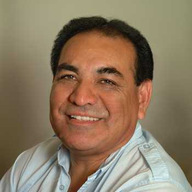
David Conde, Senior Consultant for International Programs

I arrived in Germany for military service when the infamous Berlin Wall was under construction to keep East Germans from escaping to the West. As a 17-year-old, I was aware that what the Soviet Union was doing in East Germany was serious.

This was reflected in the calmness of the moment broken by occasional news of American tanks “going out of bounds” and accidentally destroying the agricultural countryside during their training to prepare for an armored invasion. There were also subsequent tense moments because West Berlin was surrounded by Communist territory.

Two years later, at the height of the Cold War, President Kennedy came by during a trip that took him to Berlin where he delivered an uplifting speech to one hundred and twenty thousand West Berliners. The June 26, 1963 speech, heard and seen around the world, included the celebrated phrase, “Ich bin ein Berliner.”

President Reagan came to Berlin 24 years later and demanded that the Soviet leader Gorbachev “tear down this wall.” The Berlin Wall was such a powerful symbol of the Cold War that its coming down signaled the end of the Soviet Union.The “death” of the Soviet Union left the United States as the only superpower in the world. Yet, the vacuum created by the absence of the adversary began to be slowly filled by other issues no one thought about at the time.

When we think of the Cold War of the 20th Century we immediately go to the Soviet Union and its proxies like the Soviet Block, East Germany, China, Vietnam, Cuba and even Afghanistan. When we think of a “Cold War” in our time, we find the issue more complicated.

On the one hand, we find China and dangerous partners like Russia and North Korea in Asia and on the other side of the world, Iran and agent states such as Yemen and funded organizations like Hamas, Hezbollah among others. As a matter of fact, we are dealing in the short term with a threatened Iranian war on Israel and, on a more strategic level, an invasion of Taiwan by the Chinese who want the island country back.

Given that kind of context, we have failed to think about our domestic political situation then and now. We did not think about the lack of tranquility at home caused by major failures of unity displayed by the minority civil rights movements and the anti-Vietnam War activities led by the young Boomer community of the time.

This time however, the events at home are overshadowing the role of the United States in world affairs. This time, the “Cold War” is occurring at home. It seems almost like there is lull of discontent that precedes a general violent confrontation between two warring factions. Ironically, the issues, although are more complicated, are very similar to those that caused the American Civil War.

In the 19th Century the matter involved the “cotton belt” feeling that the abolition of slavery would doom the South to the economic backwaters of history. The economic argument was bolstered by a racial notion that White supremacy was essential to the well-being of the country.

Is White supremacy not the issue today? Is this not the notion being advanced ever louder as the minority communities of color continue to grow toward a majority?

Does that not make the nature of a new Cold War internal? Does that not serve as a reminder that what causes the demise of a country is the enemy within?

Why Vote Against Your Own Self Interest?

0

I am a 71 year-old rural Coloradan politically registered as Unaffiliated. I’d like to ask my fellow seniors a simple questions:

Why vote against your own self interest?

Republicans have vowed to cut Social Security and Medicare. Democrats have vowed to protect both.

The GOP 2025 Budget proposal raises the age for collecting Social Security and ends Medicare as we know it by replacing it with a “premium support model”, changing it from its current efficient, successful form to something resembling the rest of our failed healthcare system.

The GOP budget would cut $1.5 trillion from Social Security, repeal Medicare’s ability to negotiate drug prices, and end the $35 out-of-pocket cap on insulin.

On March 11, Trump, responding to a question from Joe Kernen said, “There’s a lot you can do in terms of entitlements, in terms of cutting (Medicare and Social Security).”

By contrast, in Biden’s proposed 2025 Budget are the words, “The Budget upholds the President’s commitment to protecting Medicare and Social Security for this and future generations.”

He plans to pay for Social Security by raising the payroll taxes on the ultra- rich—those making over $400,000 per year.

Right now–Write out a note to yourself and put in on your refrigerator to remind you:

In November 2024 I will vote for my own self-interest. I will vote Democratic.

Phillip Riffe

Department of Local Affairs launches third round of temporary rental assistance grant

The Third Round of the Temporary Rental Assistance Grant Will Be Open From April 15, 2024 to April 20, 2024

The Department of Local Affairs (DOLA) is pleased to announce the third round of pre-applications for the Temporary Rental Assistance Grant initiative, which will provide $30 million in temporary rental assistance to Coloradans at risk of eviction or displacement or who meet income limits and other qualifying factors.

Pre-applications will open on the Department of Local Affairs’ website on April 15, 2024, and will be accepted until 5:00 p.m. on April 20, 2024. The pre-application process will start on the fifteenth (15) day of each month, while funds are available. Funds must be spent by June 30th, 2024.

Following this pre-application period, DOLA will conduct a random selection process to invite individu- als to complete a full application. The Department will continue to prioritize applicants experiencing eviction that have a verified court summons; however, having a court summons is not a requirement to apply.

In the random selection process, the timing of submission does not impact an applicant’s chances of receiving rental assistance. Submitting a pre-application earlier in the application window does not increase the likelihood of receiving rental assistance. All eligible applicants who submit a pre-application by 5:00pm on April 20, 2024 will be entered into the random selection process.

For more information on the pre-application process and eligibility requirements, please visit the Temporary Rental Assistance Grant initiative website.

Source: Colorado Department of Local Affairs

What’s Happening?

0

Community

Denver Botanic Gardens celebrates Día del Niño throughout the month of April with stories and planting kits available in the Helen Fowler Library. The Helen Fowler Library, located in the Gardens’ new Freyer – Newman Center, is open Tuesday – Sunday 10 a.m. – 4 p.m. Admission to the library is free for the public and members. No admission ticket required for the following Día del Niño activities.

Photo courtesy: Denver Botanic Gardens

Nature Tales – Storytime will be offered on Saturdays at 10:30 a.m. throughout the month of April. Bilingual (English/Spanish) Nature Tales Story Time with Lori Marie Huertas will be offered Saturday, April 20th, and Saturday April 27th.

Spring Planting Kits – Spring is the perfect time to start to think about planting seeds. In celebration of Día del Niño, the Gardens is offering free planting kits for children to take home. Each kit includes the instructions (in both English and Spanish) and supplies you will need to start some plants from seeds! Spring Planting Kits are available to pick up at the Helen Fowler Library Tuesday – Sunday 10 a.m. – 4 p.m. while supplies last.

Día del Niño Children’s Book – Our favorite children’s gardening books will be available for families to enjoy while visiting the library throughout the month of April. Their selection of books includes titles in both English and Spanish. Stop by the library with your family to read some books and pick up your planting kit to take home!


Que Pasa? is compiled by La Voz Staff. To submit an event for consideration please email attractions@lavozcolorado.com with Que Pasa in the subject line by Friday at 5 p.m.