






Toyota, long been known for building reliable, efficient and affordable vehicles, has entered a competitive electric market with its first all-electric SUV, the bZ4X, with limited range and a name that was looked more like a puzzling license plate number, Toyota shortened the name to bZ and made significant improvements where it matter most.
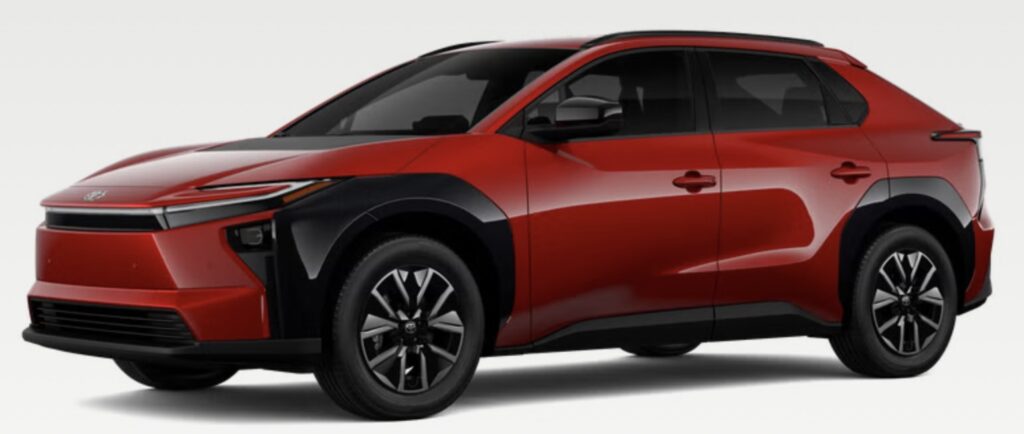
The exterior receives Toyota’s updated “hammerhead” front-end design, giving the bZ a cleaner and more modern appearance and aggressive look. The heavy black wheel-well cladding found on the previous model has also been toned down with available body-colored panels. The result is an electric SUV that looks less like an experiment and more like a finished product.
Inside, the bZ offers a redesigned dashboard and a standard 14-inch multimedia touchscreen with wireless Apple CarPlay and Android Auto. Toyota also added dual wireless phone chargers, several USB-C ports and physical controls for frequently used functions. The small digital gauge display remains high above the steering wheel, which for some, may take some getting used to, but it keeps important driving information close to the driver’s line of sight.
The biggest improvements are found beneath the body. The front-wheel-drive XLE Plus offers up to an EPA-estimated 314 miles of range, while the all-wheel-drive XLE offers up to 288 miles. For Colorado drivers dealing with snow, steep mountain roads and changing weather, the available all-wheel-drive system will likely be worth giving up a few miles of range.
All-wheel-drive models produce an impressive 338 horsepower, a major increase over the outgoing bZ4X. Acceleration is quick, smooth and surprisingly strong for a Toyota SUV. There is no engine noise or shifting transmission, just immediate power when the accelerator is pressed.
The ride is comfortable and quiet, making the bZ a good vehicle for commuting around Denver or taking longer trips along I-25. Toyota’s X-MODE system adds traction settings for snow and dirt, although the bZ should still be considered a crossover rather than a serious off-road vehicle.
Charging is also easier for 2026. Toyota replaced the previous CCS charging port with the North American Charging System used by Tesla. This gives bZ owners access to thousands of compatible Tesla Superchargers. Under ideal conditions, a DC fast charger can bring the battery from 10 to 80 percent in about 30 minutes. Drivers should remember that cold Colorado temperatures can reduce electric range and charging speed.
Pricing begins around $36k for the XLE front-wheel-drive model. Buyers wanting the longest range should consider the XLE Plus, while the Limited adds more comfort and technology.
The original bZ4X felt like Toyota was testing the electric waters. The 2026 bZ feels like Toyota finally jumped in. With better range, more power, improved charging and Toyota’s reputation behind it, the new bZ deserves a serious look.
You know the drill—drive down to your local Toyota dealership, take the 2026 bZ for a test drive and see if it fits your electric future.



